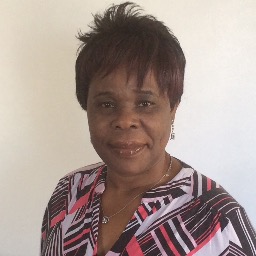
John MclaughlinBACP
Calm, practical support for life's challenges
Helps with Stress & Anxiety · Relationship · Family
Counsellors seeing people online
709 counsellors name fertility issues among the things they work with. All offer sessions online across the United Kingdom; each profile shows their register, experience and languages.
Explore counsellors who specialise in supporting people facing fertility issues, treatment decisions and pregnancy loss. The listings below help you compare focus areas, approaches, professional registration and languages to find a counsellor who may meet your needs.
Use the grid to view profiles and read descriptions of practice, then follow links to learn more about individual counsellors.
Calm, practical support for life's challenges
Helps with Stress & Anxiety · Relationship · Family
Insightful counsellor for relationships and identity
Helps with LGBT · Relationship · Trauma and Abuse
Person-centred support for life and relationships
Helps with Relationship · Family · Trauma and Abuse
Calm, practical therapy for life’s difficult moments
Helps with Stress & Anxiety · Relationship · Family
Calm, practical therapy for everyday challenges
Helps with Stress & Anxiety · Relationship · Self Esteem
Compassionate therapist for stress and family concerns
Helps with Stress & Anxiety · Family · Grief
Experienced person-centred counsellor for life challenges
Helps with Stress & Anxiety · Relationship · Family
Practical support for stress and focus
Helps with Stress & Anxiety · Relationship · Self Esteem
Calm practical therapy for complex emotional challenges
Helps with Stress & Anxiety · Relationship · Family
Calm, practical support for everyday challenges
Helps with Stress & Anxiety · Relationship · Depression
Gentle, reflective counsellor for lasting change
Helps with Stress & Anxiety · Relationship · Family
Empathetic integrative counsellor for complex life stressors
Helps with Stress & Anxiety · Relationship · Trauma and Abuse
Calm, practical counselling for change
Helps with Relationship · Trauma and Abuse · Self Esteem
Person-centred counsellor combining practical therapy
Helps with Stress & Anxiety · Relationship · Trauma and Abuse
Compassionate counsellor guiding practical change
Helps with Stress & Anxiety · Trauma and Abuse · Grief
Calm, practical support for life’s difficult moments
Helps with Stress & Anxiety · Relationship · Family
Warm, adaptable counsellor focused on practical growth
Helps with Stress & Anxiety · Trauma and Abuse · Self Esteem
Helping people rebuild balance and belonging
Helps with Stress & Anxiety · Trauma and Abuse · Grief
Supportive counsellor for stress and relationships
Helps with Stress & Anxiety · Trauma and Abuse · Grief
Compassionate counsellor for stress and relationships
Helps with Stress & Anxiety · Relationship · Family
Gentle, practical person-centred therapy
Helps with Stress & Anxiety · Family · Trauma and Abuse
Experienced counsellor for relationships and trauma
Helps with Relationship · Family · Trauma and Abuse
Experienced counsellor focused on practical support
Helps with Stress & Anxiety · Eating Disorders · Self Esteem
Person-centred counsellor who listens
Helps with Stress & Anxiety · Relationship · Trauma and Abuse
Experienced counsellor for trauma and relationships
Helps with Relationship · Family · Trauma and Abuse
Gentle, practical counselling for adults
Helps with Stress & Anxiety · Relationship · Family
Experienced counsellor focused on practical change
Helps with Stress & Anxiety · LGBT · Self Esteem
Compassionate therapist for relationship and life challenges
Helps with Relationship · Family · Grief
Practical, person-centred counselling and support
Helps with Stress & Anxiety · Anger · Self Esteem
Compassionate counsellor focused on practical change
Helps with Stress & Anxiety · Relationship · Trauma and Abuse
Practical, experienced counsellor for adult challenges
Helps with Stress & Anxiety · Relationship · Trauma and Abuse
Compassionate counsellor focusing on practical change
Helps with Stress & Anxiety · Addictions · Grief
Compassionate counsellor who listens and helps you move forward
Helps with Stress & Anxiety · LGBT · Family
Counselling for stress, relationships and change
Helps with Stress & Anxiety · LGBT · Self Esteem
Practical, collaborative therapy for relationship and life challenges
Helps with Stress & Anxiety · Relationship · Intimacy Issues
Psychodynamic therapist focusing on patterns and meaning
Helps with Stress & Anxiety · Addictions · Relationship
Experienced person-centred counsellor helping with grief and stress
Helps with Stress & Anxiety · Grief · Career
We will earn a commission if you sign up through our link, at no extra cost to you.
Fertility issues cover a wide range of experiences, from difficulty conceiving naturally to recurrent pregnancy loss, complications with assisted conception and the emotional aftermath of termination for medical reasons. These experiences can touch every part of your life - your relationships, work, self-image and plans for the future. You may face medical appointments, decisions about donor gametes or surrogacy, financial pressures and a sense of time running out. For many people the process of diagnosis and treatment can be relentless, with cycles of hope and disappointment that are physically exhausting and emotionally draining.
The impact of fertility challenges is rarely limited to one partner. Couples, individual parents, non-binary people and those navigating fertility after prior pregnancies can all experience grief, guilt, anger and isolation. Cultural expectations, family dynamics and workplace pressures may intensify these feelings. You might also find that previous losses or earlier adversity resurface during fertility treatment, creating a complex emotional picture. Counselling can provide a place to name these experiences and work with them in a paced way.
You may be considering therapy if you notice persistent anxiety around medical appointments, intrusive worries about treatment outcomes or ongoing low mood that affects daily life. Relationship strain is another common sign - you might feel distant from your partner, find communication breaks down or disagree about next steps. Some people notice avoidance behaviours, such as withdrawing from friends and family to hide pain, or over-immersion in fertility-related information to regain a sense of control. Sleep disruption, changes in appetite, difficulty concentrating at work and repeated flashbacks to distressing experiences are further signals that extra support could help.
Therapy can also be appropriate if you want support in making decisions - whether to continue treatment, consider alternatives such as adoption or donor conception, or plan for life beyond fertility care. You do not need to be in crisis to benefit from counselling; many people seek help to process grief, manage expectations and develop coping strategies that make day-to-day life more manageable while navigating an uncertain journey.
Your first few sessions will typically focus on understanding your history, what led you to seek counselling and what you hope to achieve. A counsellor will invite you to describe the practical timeline of treatment, any medical diagnoses you have received and the emotional themes that are most pressing. Together you will set realistic goals for therapy - these might include managing anxiety, processing loss, improving communication with a partner or developing ways to cope with treatment-related stress.
Sessions often blend emotional exploration with practical strategies. You can expect space to explore feelings of grief, anger or shame without judgement, while also learning skills for managing distress in the moment. Techniques may include breathing and grounding exercises for acute anxiety, thought-restructuring to challenge unhelpful patterns and problem-solving for practical decisions. The pace is determined by you and your counsellor; some people prefer gentle processing over many sessions, while others work in a shorter, more focused way to address specific coping needs.
If you are in a relationship, you may choose to work alone, with your partner or in combination. Couple work can help clarify differences in coping styles, shared grief and practical steps for decision-making. Family members who play an active role in treatment may also benefit from sessions that improve communication and boundary-setting. The aim is to help you navigate interpersonal impacts of fertility issues while respecting each person s perspective.
Counsellors working with fertility issues draw on a variety of approaches. You will find therapists who list cognitive behavioural approaches among their methods, which focus on recognising and changing unhelpful thought patterns and behaviours that maintain anxiety. Others describe psychodynamic or relational approaches that explore how past relationships shape current responses. Some counsellors mention acceptance and commitment approaches that help you identify values and take meaningful action despite uncertainty. There are also therapists who list trauma-informed methods, mindfulness-based practices and body-focused approaches to support the wide range of emotional and somatic responses people experience.
Online therapy has become an established option for many people seeking support with fertility issues. Working remotely can reduce travel time around clinic appointments and make it easier to fit counselling into a busy schedule. Sessions commonly take place by video call, telephone or text-based messaging platforms. When you choose an online counsellor, consider how you prefer to relate - some people find video sessions provide visual connection similar to in-person work, while others prefer the relative distance of telephone sessions. Online work can be especially helpful if you live far from specialist services or if in-person attendance adds logistical strain during treatment cycles.
When using online services you should expect your counsellor to explain how they protect your privacy and handle records. Many counsellors also indicate whether they offer a mixture of in-person and online sessions, which can be helpful if you prefer an occasional face-to-face meeting. Remember that registration with a recognised professional body is an important indicator of practice standards; look for counsellors who are registered with organisations such as BACP, HCPC or NCPS and who describe their approach in clear terms.
Choosing a counsellor is a personal decision that depends on the emotional tone you need, the kinds of conversations you want to have and practical considerations like language and location. Think about whether you want a counsellor who explicitly lists fertility, reproductive loss or reproductive health among their specialisms. Profiles often indicate the approaches counsellors use and any populations they commonly work with, such as couples, same-sex partners or people exploring donor conception. If cultural, religious or family factors are especially important in your experience, look for counsellors who mention this experience in their descriptions.
Registration and professional standards matter. Counsellors who are registered with BACP, HCPC or NCPS are generally expected to adhere to codes of conduct and continuing professional development. You can also look for information about years of experience, languages spoken and whether the counsellor works in an integrative way or primarily from one therapeutic perspective. Practical questions about session length, fees and how records are stored are also worth clarifying directly with a counsellor before you begin.
Finally, trust your instincts. If you feel understood and respected in initial communications, that is often a good sign the counsellor can offer the kind of support you need. Therapy for fertility issues is about creating a working relationship that helps you manage distress, process complex emotions and make decisions that reflect your values. Taking time to find a counsellor who feels like the right fit can make the difference in how helpful the work becomes for you and the people close to you.