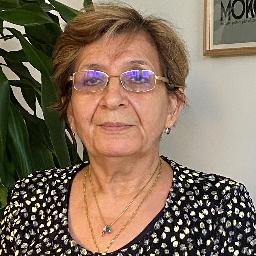
Michelle CorriganBACP
Gentle, person-centred therapy for life changes
Helps with Stress & Anxiety · Relationship · Trauma and Abuse
Counsellors seeing people online
500 counsellors name veterans among the things they work with. All offer sessions online across the United Kingdom; each profile shows their register, experience and languages.
Discover counsellors and therapists who focus on veterans' needs across the UK. Browse profiles below to compare approaches, registrations and experience with military transition, trauma and relationships.
Gentle, person-centred therapy for life changes
Helps with Stress & Anxiety · Relationship · Trauma and Abuse
Calm, practical support for life's challenges
Helps with Stress & Anxiety · Relationship · Family
Practical therapy for everyday coping
Helps with Stress & Anxiety · Trauma and Abuse · Grief
Calm, practical therapy for life’s difficult moments
Helps with Stress & Anxiety · Relationship · Family
Experienced person-centred counsellor for life challenges
Helps with Stress & Anxiety · Relationship · Family
Compassionate counsellor for life transitions
Helps with Stress & Anxiety · Trauma and Abuse · Grief
Understanding, practical support for life changes
Helps with Stress & Anxiety · Relationship · Trauma and Abuse
Compassionate therapist for life's difficult moments
Helps with Stress & Anxiety · Addictions · Family
Calm, practical counselling for change
Helps with Relationship · Trauma and Abuse · Self Esteem
Compassionate counsellor guiding practical change
Helps with Stress & Anxiety · Trauma and Abuse · Grief
Helping people find steady footing
Helps with Stress & Anxiety · Addictions · Trauma and Abuse
Warm, adaptable counsellor focused on practical growth
Helps with Stress & Anxiety · Trauma and Abuse · Self Esteem
Helping people rebuild balance and belonging
Helps with Stress & Anxiety · Trauma and Abuse · Grief
Client-centred counsellor for anxiety and addiction
Helps with Stress & Anxiety · Addictions · Trauma and Abuse
Supportive counsellor for stress and relationships
Helps with Stress & Anxiety · Trauma and Abuse · Grief
Compassionate counsellor for stress and relationships
Helps with Stress & Anxiety · Relationship · Family
Warm person-centred counsellor with practical strategies
Helps with Stress & Anxiety · Grief · Self Esteem
Gentle, practical person-centred therapy
Helps with Stress & Anxiety · Family · Trauma and Abuse
Person-centred counsellor who listens
Helps with Stress & Anxiety · Relationship · Trauma and Abuse
Person-centred counsellor with Transactional Analysis background
Helps with Relationship · Family · Grief
Experienced counsellor focused on practical change
Helps with Stress & Anxiety · LGBT · Self Esteem
Compassionate client-centred counsellor for life change
Helps with Stress & Anxiety · Grief · Depression
Practical, person-centred counselling and support
Helps with Stress & Anxiety · Anger · Self Esteem
Practical, person-led counselling for everyday struggles
Helps with Stress & Anxiety · Trauma and Abuse · Grief
Compassionate counsellor focused on practical change
Helps with Stress & Anxiety · Relationship · Trauma and Abuse
Practical, experienced counsellor for adult challenges
Helps with Stress & Anxiety · Relationship · Trauma and Abuse
Compassionate counsellor focusing on practical change
Helps with Stress & Anxiety · Addictions · Grief
Compassionate, practical help for difficult life challenges
Helps with Addictions · Trauma and Abuse · Eating Disorders
Practical, compassionate counselling for life challenges
Helps with Stress & Anxiety · Relationship · Trauma and Abuse
Psychodynamic therapist focusing on patterns and meaning
Helps with Stress & Anxiety · Addictions · Relationship
Compassionate, practical counselling for everyday life
Helps with Stress & Anxiety · Relationship · Trauma and Abuse
Experienced person-centred psychotherapist
Helps with Stress & Anxiety · Relationship · Trauma and Abuse
Calm, practical counselling for everyday struggles
Helps with Stress & Anxiety · LGBT · Family
Calm practical counselling for everyday struggles
Helps with LGBT · Relationship · Trauma and Abuse
Straight-talking person-centred counsellor
Helps with Stress & Anxiety · Anger · Self Esteem
Calm, practical support for everyday challenges
Helps with Stress & Anxiety · Family · Grief
Practical, grounded counselling for life changes
Helps with Stress & Anxiety · Addictions · Grief
Practical, tailored counselling for everyday challenges
Helps with Self Esteem · Depression · Compassion Fatigue
Helping people find practical change and strength
Helps with Stress & Anxiety · Trauma and Abuse · Grief
We will earn a commission if you sign up through our link, at no extra cost to you.
If you are searching for support as a veteran, it helps to know that experiences of military service can shape your thoughts, emotions and relationships in ways that persist after leaving active duty. The routines, responsibilities and culture of service often create a strong sense of identity and purpose. Transitioning back to civilian life can involve practical and emotional adjustments - changes in work, social networks and day-to-day expectations that may feel disorienting or isolating. Many people describe relief at being away from the pressures of deployment while also noticing a sense of loss or difficulty finding a similar community.
People with a history of military service may find they have recurring worries about safety, trouble with sleep or concentration, heightened startle responses, or relationship tensions. Some describe intrusive memories of distressing events, changes in mood or motivation, or increased use of alcohol as a way of coping. Others experience chronic pain or long-term health issues that interact with emotional wellbeing. None of these experiences is a single diagnosis; they are signals that the experiences of service continue to affect daily life and that focused support may be helpful.
You might benefit from specialist counselling if you notice that service-related memories, feelings or behaviours are interfering with how you live now. This can show up as intense reactions to reminders of service, frequent difficulties sleeping, mood swings, irritability, or a tendency to withdraw from friends and family. You may find it harder to talk about emotions or to regulate stress in situations that did not used to be a problem. Some people recognise a pattern of using substances to cope or have thoughts of harming themselves; these are important signals to seek professional help and support from trusted contacts.
Another common reason to seek therapy is when military experiences affect relationships or work. You might find it difficult to trust others, to feel comfortable in crowded or busy places, or to maintain steady employment. Family members may notice changes in your behaviour, communication or mood that create strain at home. If any of these patterns are present, talking with a counsellor who understands military culture and transition issues can help you explore practical ways to manage symptoms and to rebuild connections that matter to you.
The first few appointments are usually about building a working relationship and understanding your history and current concerns. You can expect a counsellor to ask about your service background, how your experiences affect you now, and what you would like to change. This is an opportunity to outline your priorities and to agree shared goals. You should feel able to set the pace and to say if you prefer to focus on present difficulties, past events, or practical coping strategies. Clear discussion about information-sharing boundaries, session length and fees is commonly part of the early conversation.
Ongoing sessions often balance talking about difficult memories with learning practical ways to manage day-to-day challenges. Some veterans prioritise managing distressing reactions and improving sleep, while others work on relationships, identity after service, or career and purpose. Counselling may incorporate techniques to help you process experiences, to practise stress-management, and to develop clearer communication with loved ones. Many people also find that short-term problem-focused work followed by longer therapeutic exploration offers a useful combination depending on their needs.
A variety of therapies are used with people who have served in the armed forces, and different approaches suit different people. Cognitive and behavioural approaches are commonly used to help you identify and adjust patterns of thinking and behaviour that maintain distress. Psychodynamic and relational therapies offer a space to explore how past experiences shape current relationships and identity. Acceptance and commitment work can support you in reconnecting with valued activities and purpose. Therapists who list EMDR among their approaches do so because some clients find that method helpful when addressing distressing memories, though individual preference and clinical judgement guide whether any particular approach is chosen.
Some people benefit from group-based programmes that offer peer support and shared experiences, which can reduce isolation and provide practical coping strategies. Relationship and family-focused work may help partners and family members understand how service-related changes affect everyday life, and how to communicate more effectively. Where needs cross into physical health, counsellors often work alongside other health professionals to support practical and emotional aspects of recovery and adaptation.
Online therapy can be a practical option if you live some distance from specialist services or if you prefer to meet from home. Sessions usually take place by video call, phone or text-based messaging systems, with a structure similar to face-to-face work including agreed session length and regular review points. You should choose a time when you can be in a quiet space and free from interruptions, and check that your internet connection, device and microphone work well enough for conversation. Many people appreciate the convenience of online sessions while others prefer in-person contact; you can consider which form of contact fits your needs.
When you work online, it is important that your counsellor and you have a plan for handling crises or urgent safety concerns. Early in the work you and your counsellor should agree what to do if you feel in immediate danger or are unable to complete a session, including local emergency contacts and NHS pathways. You should also discuss how personal information is recorded and how your counsellor is registered with professional bodies such as BACP, HCPC or NCPS, which provide standards and guidance for practice in the UK.
When you look at profiles, pay attention to whether a counsellor lists veterans, military culture or transition support among their focus areas. Look for clear statements about registration - being registered with the British Association for Counselling and Psychotherapy, the Health and Care Professions Council or other recognised UK registers is a relevant indicator. Experience working with military communities or an understanding of service life may make it easier to connect, but you should also consider whether the therapist describes approaches and values that match what you want to work on.
Your comfort with a therapist's communication style and approach matters. Consider whether you prefer a more directive, problem-focused style or a reflective, exploratory approach. Think about language preferences, fees, and whether you want online or in-person sessions. It is reasonable to ask a therapist about session length, cancellation terms and how they work alongside other services, for example GPs, NHS mental health teams or veteran-specific charities. Trust your judgement about whether a therapist feels like a good match - the relationship itself is often a key factor in whether the work helps you achieve your goals.
Finding a counsellor who understands the particular challenges of service and transition can make it easier to talk openly and to build practical strategies for life beyond service. Use the listings above to explore profiles and to reach out to practitioners whose approach, registrations and experience align with what you need.